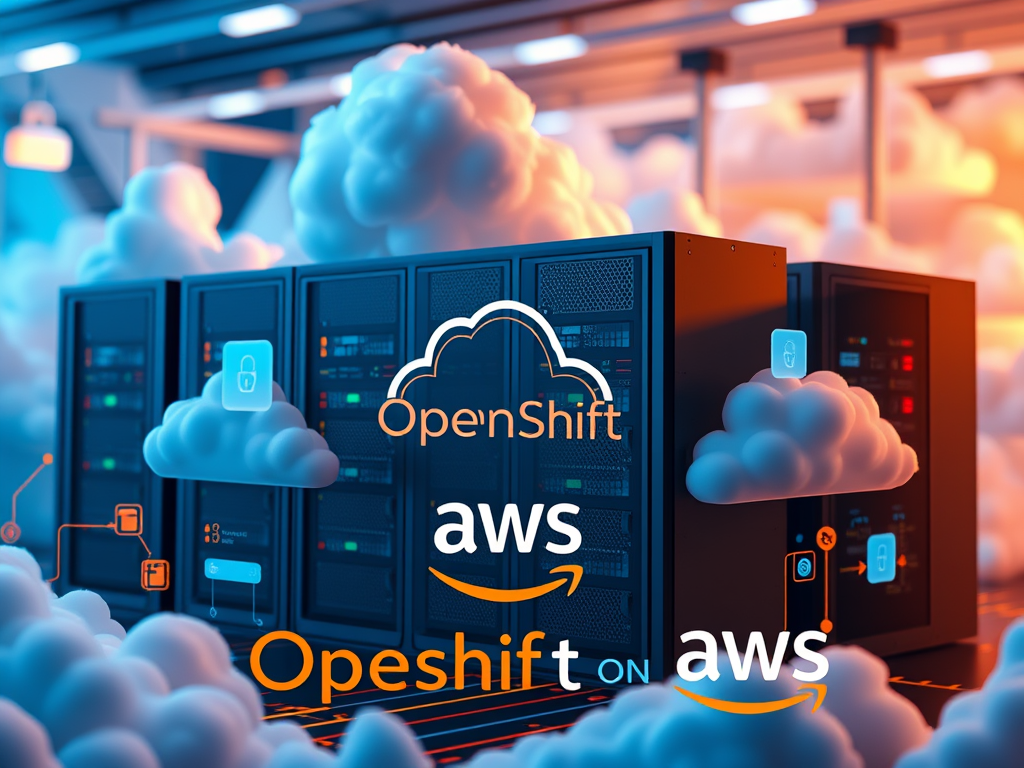
This series walks you from zero to production-ready on ROSA, without assuming deep OpenShift experience.
Series Overview
Part 1 – What Is ROSA and When Should You Use It?
- What ROSA is (plain English)
- How it compares to EKS
- Common enterprise & government use cases
- Architecture overview
Part 2 – Prerequisites and Environment Setup
- AWS & Red Hat accounts
- IAM permissions
- Installing CLI tools
- Verifying access
Part 3 – Creating and Accessing a ROSA Cluster
- Cluster sizing choices
- Networking basics
- Logging in with
oc - Understanding projects, users, and roles
Part 4 – Deploying Your First Application
- Creating a project
- Deploying an app from an image
- Understanding deployments, pods, and services
Part 5 – Exposing Applications with Routes and Load Balancers
- OpenShift Routes explained
- AWS load balancer integration
- TLS and HTTPS basics
Part 6 – Scaling and Managing Applications
- Manual scaling
- Autoscaling basics
- Rolling updates
Part 7 – Security Best Practices for ROSA
- Security Context Constraints (SCCs)
- IAM Roles for Service Accounts (IRSA)
- Network policies
- Image security
Part 8 – Monitoring, Logging, and Operations
- OpenShift monitoring
- AWS CloudWatch integration
- Day-2 operations tips
Part 9 – Production Readiness Checklist
- High availability
- Cost optimization
- Backup considerations
- Compliance notes
Stay Tune as I start sharing my experience throughout this journey of OpenShift on AWS

 My Daily Cloud Blog
Leave a comment