
Nutanix NCI 7.3 — What’s New in the Latest Release
Nutanix Cloud Infrastructure 7.3 brings meaningful platform improvements across multicluster operations, disaster recovery, networking, automation, and security—helping enterprises run hybrid cloud environments with more consistency and less operational friction.
Introduction
As hybrid multicloud environments continue to mature, platform updates are increasingly judged by one thing: whether they make real-world operations easier. Nutanix Cloud Infrastructure (NCI) 7.3 is one of those releases that focuses less on flashy marketing features and more on the practical improvements infrastructure teams actually care about.
From multicluster lifecycle management to disaster recovery orchestration, networking enhancements, and security hardening, NCI 7.3 adds meaningful value for organizations looking to simplify infrastructure while improving scale and resilience.
Why this release matters
NCI 7.3 is important because it strengthens the operational foundation of Nutanix environments—especially for enterprises running multiple clusters, planning for disaster recovery, or building a more flexible hybrid cloud strategy.
What is Nutanix NCI?
Nutanix NCI is the company’s core infrastructure platform, bringing together compute, storage, virtualization, and networking into a unified software-defined stack. It is designed to help organizations reduce infrastructure complexity while supporting workloads across datacenters, edge locations, and cloud-connected environments.
What’s New in Nutanix NCI 7.3
1. Stronger Multicluster Management
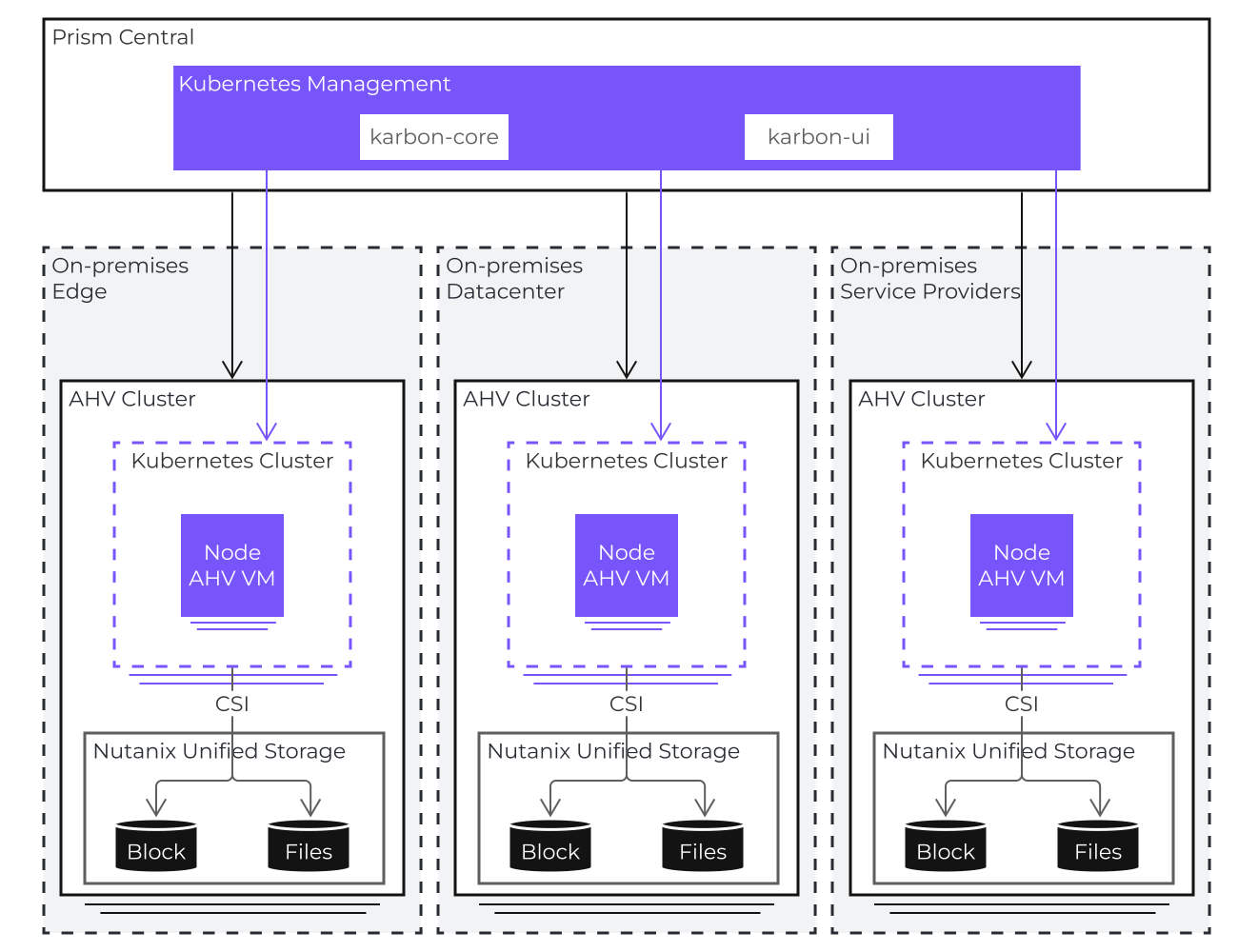
One of the most useful improvements in NCI 7.3 is the continued evolution of centralized multicluster operations. For organizations managing distributed environments, reducing administrative overhead is a major win.
- More centralized lifecycle management capabilities
- Better consistency for upgrades across clusters
- Improved operational control through Prism Central
This is particularly valuable for enterprises operating across multiple sites, business units, or hybrid cloud footprints.
2. Enhanced Disaster Recovery and Resilience

Business continuity remains a major priority for modern infrastructure teams, and NCI 7.3 pushes further in the area of disaster recovery readiness.
- Improved recovery flexibility for varying workload needs
- Better scaling support in flash-based environments
- Refinements in DR orchestration across clusters
These improvements help simplify recovery planning while improving confidence in failover and resilience strategies.
3. Networking and Workload Mobility Improvements

Networking enhancements in NCI 7.3 are aimed at helping infrastructure teams support more flexible workload placement and movement.
- Advancements for AHV multicluster virtual switching
- Better IP address management capabilities
- Smoother workload mobility across cluster boundaries
For hybrid cloud strategies, this is a meaningful step toward more portable and manageable application infrastructure.
4. Security and Encryption Enhancements
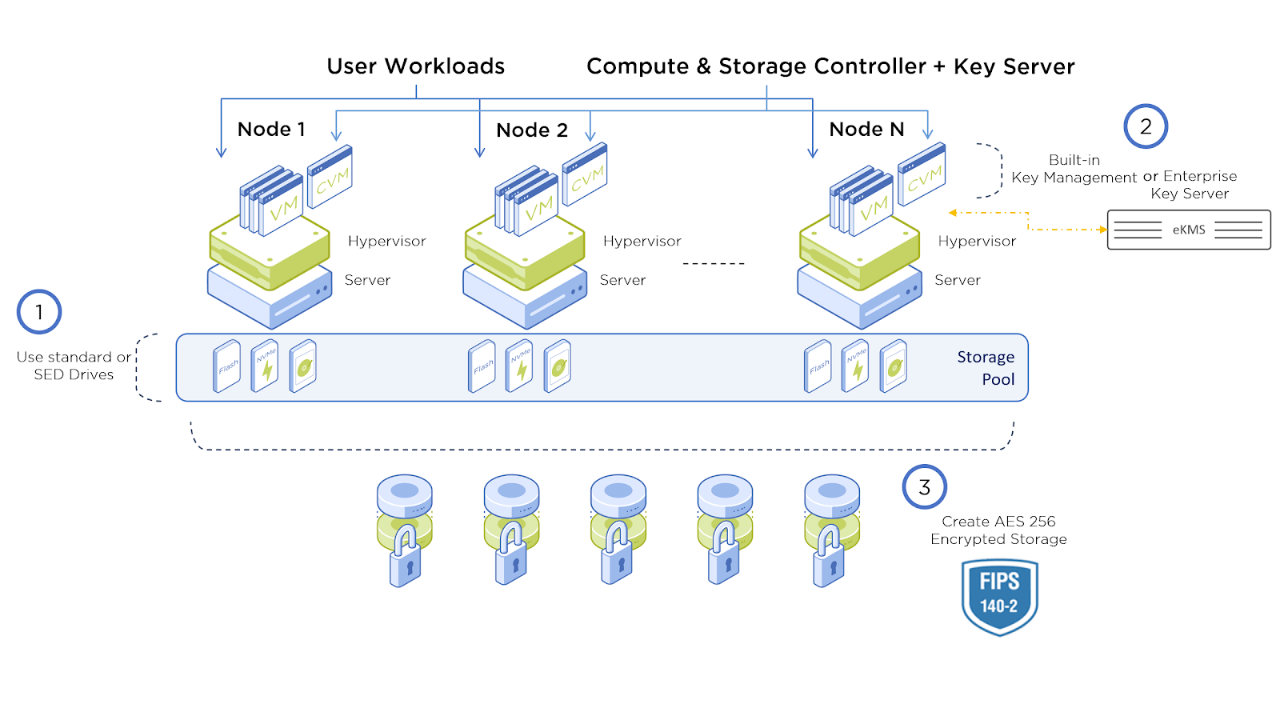
Security remains a core requirement in enterprise infrastructure, and NCI 7.3 introduces improvements that support a more hardened platform posture.
- Stronger encryption-related protections
- Improved access control and credential-related safeguards
- Additional security-focused operational refinements
These updates help organizations support compliance goals while reducing operational risk.
5. Smarter Automation and VM Operations
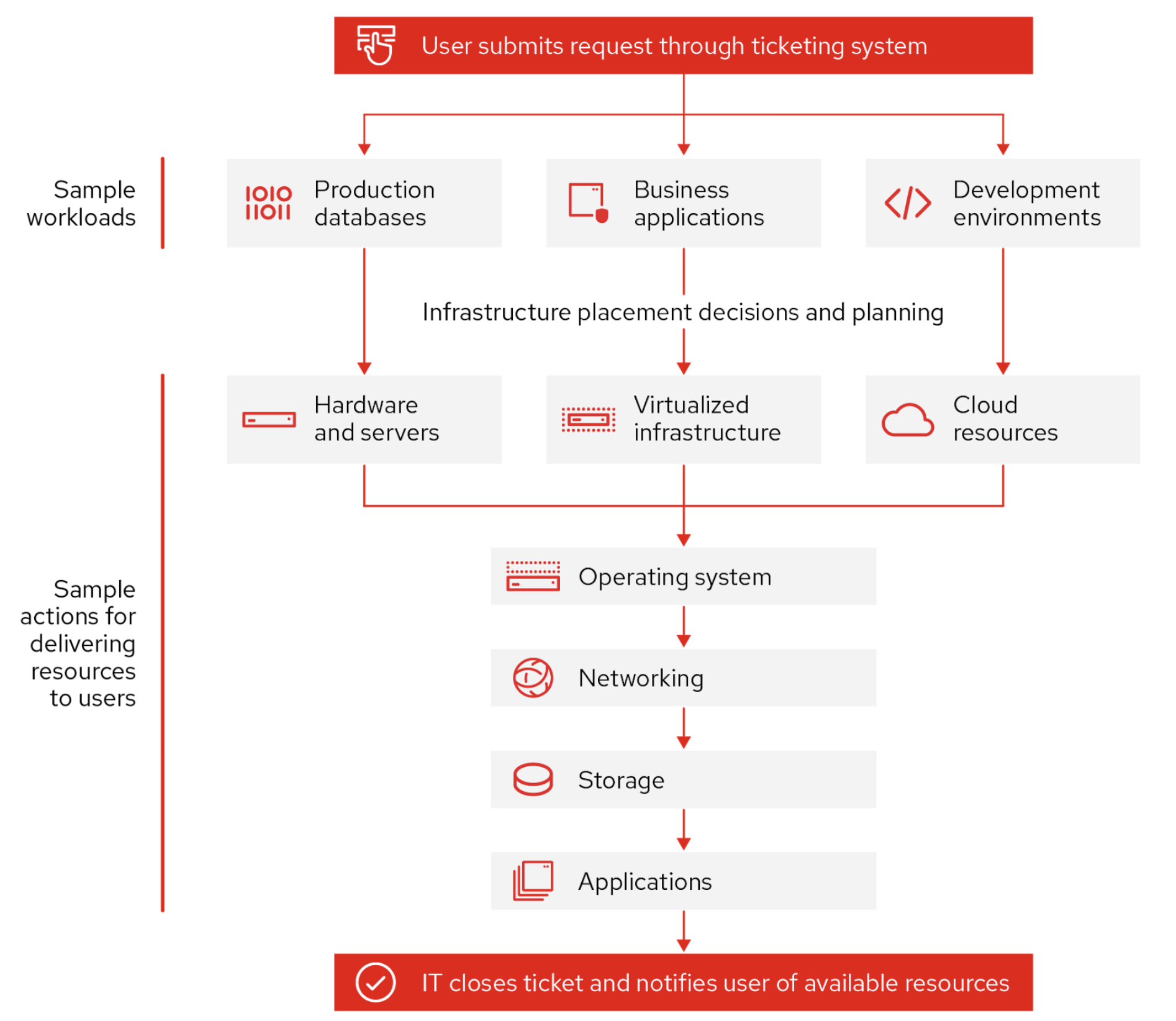
Automation is another area where NCI 7.3 adds practical improvements, particularly for larger environments that need repeatable and policy-driven deployment patterns.
- Better VM template placement intelligence
- Faster provisioning workflows for common deployment scenarios
- Reduced manual intervention for cluster-level decisions
This can make a real difference in VDI, EUC, test/dev, and standardized enterprise deployment pipelines.
6. Performance, Scale, and Stability Gains
Not every important enhancement gets a flashy headline. NCI 7.3 also brings valuable improvements in the areas of performance tuning, ecosystem integration, and platform stability.
- Scalability improvements for demanding environments
- API enhancements for integrations and automation
- General reliability and operational stability refinements
For production workloads, these are often the enhancements that matter the most over time.
Quick View: Focus and Operational Benefits
Quick View: Where NCI 7.3 Delivers Value
| Area | What’s Improved | Why It Matters |
|---|---|---|
| Multicluster Ops | Centralized management and lifecycle consistency | Simplifies operations across distributed environments |
| Disaster Recovery | Better orchestration and resilience support | Improves recovery readiness and business continuity |
| Networking | Mobility and IP/network control enhancements | Supports more flexible hybrid cloud operations |
| Security | Stronger hardening and encryption-focused updates | Helps reduce risk and improve security posture |
| Automation | Improved provisioning and policy-driven operations | Reduces manual work and improves deployment consistency |
Bottom line
Nutanix NCI 7.3 is a solid enterprise release that focuses on operational improvements where they matter most: management, resilience, workload mobility, automation, and platform hardening. For infrastructure teams, that means fewer friction points and a better foundation for modern hybrid cloud environments.
Final Thoughts
Nutanix NCI 7.3 may not be the loudest release, but it is one of the more practical ones. It reinforces the core strengths of the platform while improving the day-to-day experience of operating infrastructure at scale.
If your organization is focused on hybrid cloud maturity, multisite infrastructure operations, DR readiness, or simplified virtualization management, this is the kind of release worth understanding closely.
Stay Connected with Daily Cloud Blog
Follow Daily Cloud Blog for more hands-on content covering Nutanix, AWS, Azure, virtualization, infrastructure modernization, and hybrid cloud strategy.
Share this post with your team, use it in your LinkedIn content flow, and keep an eye out for deeper technical write-ups focused on architecture, deployment, and operational best practices.



 My Daily Cloud Blog
Leave a comment