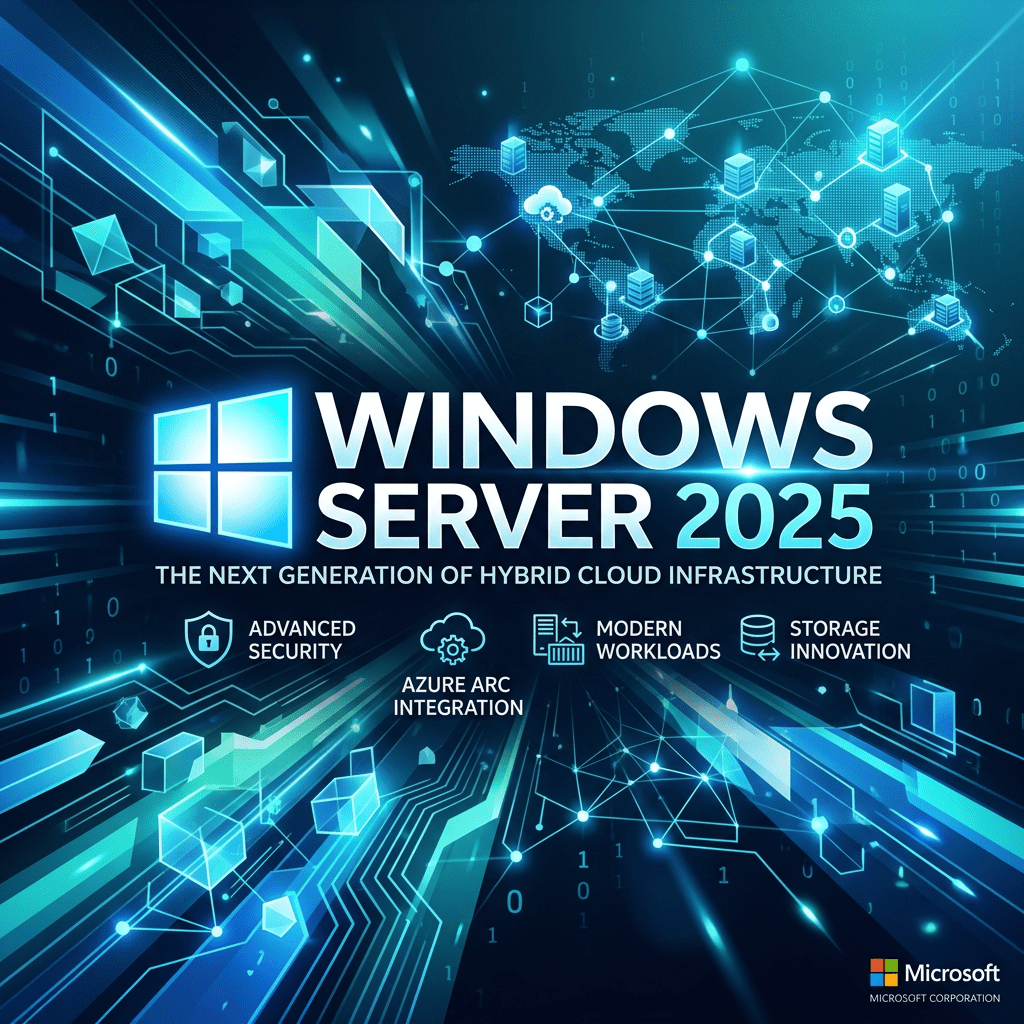
Microsoft Infrastructure | Windows Server | Enterprise IT
My First Impression of Windows Server 2025
Windows Server 2025 feels less like a dramatic reinvention and more like a serious modernization of the platform many enterprises still rely on every day. After looking at the new release, my first impression is simple: Microsoft is pushing Windows Server deeper into security, hybrid cloud, automation, and modern infrastructure operations.
Author: Christian Marrero
Blog: Daily Cloud Blog
Topic: Windows Server 2025 First Impression
Windows Server 2025
Modern Security • Hybrid Cloud • Active Directory Enhancements • SMB Improvements • Azure Arc Integration
First Impression: Familiar, But Clearly More Modern
The first thing that stands out about Windows Server 2025 is that it still feels familiar. Microsoft did not completely redesign the Windows Server experience, and honestly, that is a good thing for enterprise environments. Administrators do not want unnecessary disruption in a server operating system. They want stability, compatibility, better security, and improved manageability.
Windows Server 2025 keeps the traditional server foundation intact but introduces a more modern desktop experience, Windows Terminal, WinGet, improved compression options, updated Task Manager, and a Windows 11-style interface. These are not just cosmetic changes. They make the platform feel more aligned with the modern Windows ecosystem.
Security Is Clearly the Main Theme
My biggest takeaway is that Windows Server 2025 is heavily focused on security. Microsoft is not treating security as an add-on anymore. Features like Credential Guard being enabled by default on supported systems, stronger SMB security, LDAP improvements, and Active Directory enhancements show that Microsoft understands where enterprise risk really lives.
My take: Windows Server 2025 feels like a release designed for administrators who are under pressure to modernize security without completely rebuilding their environment from scratch.
Active Directory Still Matters
One of the strongest signals in Windows Server 2025 is that Active Directory is not going away anytime soon. Even in a world of Microsoft Entra ID, cloud identity, SaaS platforms, and zero-trust architecture, AD DS is still deeply embedded in enterprise infrastructure.
Windows Server 2025 introduces important Active Directory improvements, including optional 32k database page size support, LDAP channel binding audit events, and domain controller discovery improvements. These may not sound exciting to everyone, but for infrastructure engineers and architects, they matter.
This tells me Microsoft is continuing to modernize the traditional enterprise identity layer while giving organizations a better bridge toward hybrid identity.
SMB Improvements Are a Big Deal
File services are still one of the most widely used roles in Windows Server environments. Windows Server 2025 improves SMB security with stronger defaults, better protection against brute-force attacks, and support for SMB over QUIC for secure file access scenarios.
This is especially important for organizations trying to reduce VPN dependency while still providing secure access to file shares. SMB over QUIC could become very useful for hybrid work, branch offices, and distributed users when designed correctly.
Hybrid Cloud Is Now Built Into the Conversation
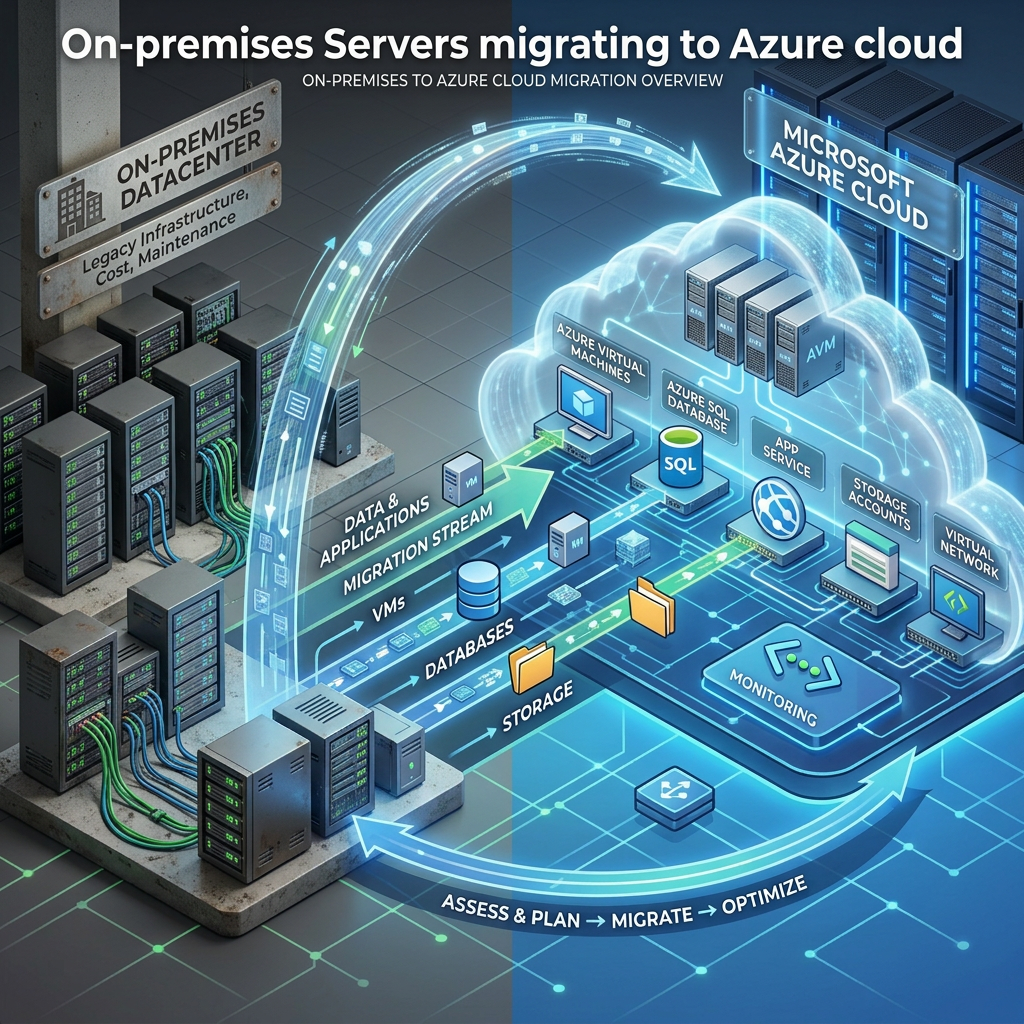
Windows Server 2025 continues Microsoft’s strategy of connecting traditional infrastructure with Azure services. Azure Arc plays a major role here, especially with management, licensing options, and hotpatch capabilities.
The message is clear: Microsoft does not expect every workload to move fully into Azure. Instead, they are making Windows Server easier to manage as part of a hybrid environment.
Where Windows Server 2025 Makes Sense
- Enterprise Active Directory environments
- Hybrid cloud infrastructure connected to Azure Arc
- Secure file services and SMB modernization
- Virtualization and Hyper-V workloads
- Organizations planning long-term Windows Server refresh cycles
Hyper-V and Scalability Improvements
Windows Server 2025 also improves scalability for Hyper-V environments. Microsoft has increased support for very large memory and processor configurations, which shows that Windows Server is still relevant for enterprise virtualization and large workload hosting.
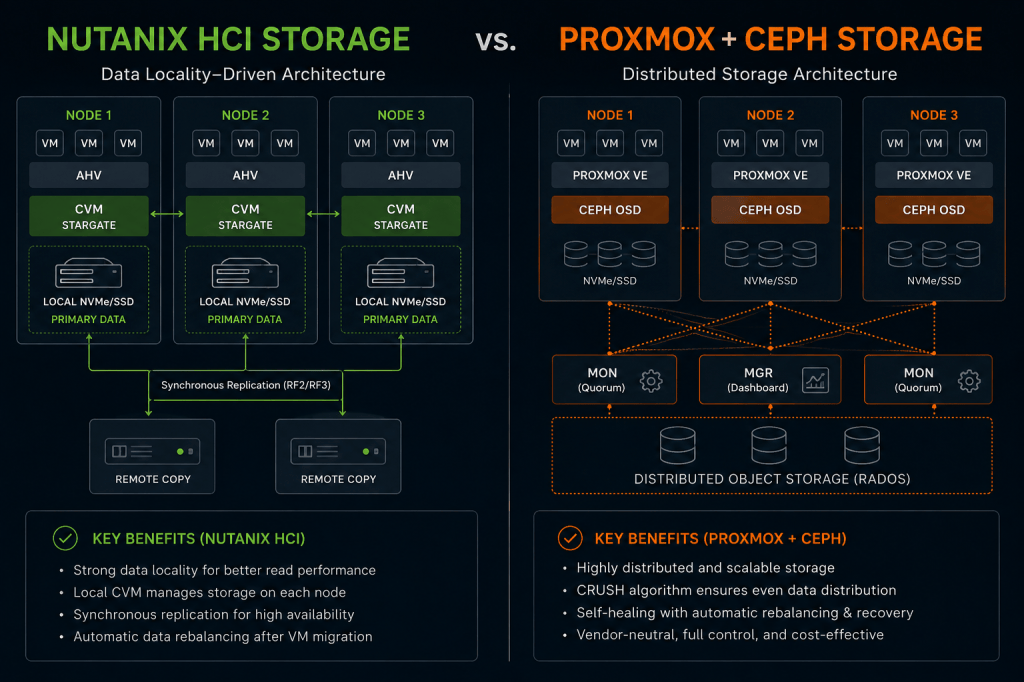
While many organizations are evaluating VMware alternatives, Nutanix, Azure Local, Proxmox, and container platforms, Hyper-V still has a place — especially in Microsoft-heavy environments.
What I Like So Far
- Security-first direction: Better defaults and stronger identity protections.
- Hybrid cloud alignment: Azure Arc integration feels more important than ever.
- SMB modernization: File services are becoming more secure and cloud-friendly.
- Familiar administration: It does not force admins to relearn everything.
- Better platform tooling: Windows Terminal and WinGet being available by default is a welcome improvement.
What I Would Watch Closely
Even though Windows Server 2025 looks promising, I would not rush every production workload into it without a proper validation plan. Organizations should test application compatibility, driver support, backup agents, monitoring tools, endpoint protection, GPO behavior, and domain controller upgrade paths.
For production environments, I would start with lab testing, then pilot non-critical workloads, then build a phased upgrade plan.
My First Impression
My first impression of Windows Server 2025 is positive. It feels like a practical, enterprise-focused release. It does not try to be flashy. Instead, it strengthens the areas that matter most: identity, security, hybrid management, file services, and operational consistency.
For cloud and infrastructure professionals, this release is worth paying attention to because it reflects where Microsoft sees the future of enterprise infrastructure: hybrid, secure, identity-driven, and centrally managed.
Final Thoughts
Windows Server 2025 is not just another server OS upgrade. It is a signal that traditional infrastructure is evolving, not disappearing. Many organizations will continue running Active Directory, file servers, Hyper-V, and Windows-based workloads for years to come.
The real opportunity is not simply upgrading the OS. The opportunity is using Windows Server 2025 as a reason to modernize security, clean up identity, improve file services, connect systems to Azure Arc, and build a stronger hybrid-cloud foundation.
Stay Connected with Daily Cloud Blog
If you found this first impression helpful, follow Daily Cloud Blog for more practical content on cloud, virtualization, Microsoft infrastructure, cybersecurity, and enterprise architecture.
We regularly share technical breakdowns, architecture guidance, and real-world insights designed for engineers, architects, and IT leaders.
Want more posts like this? Subscribe for fresh content on AWS, Azure, Windows Server, Kubernetes, virtualization, and modern infrastructure trends.
Daily Cloud Blog shares practical insights on cloud, virtualization, infrastructure, and modern IT strategy for engineers, architects, and technology leaders.




Leave a Reply